The Quiet Paths of Kyoto: Embracing Wabi-Sabi
Words by Field Correspondent Nora H. Lin
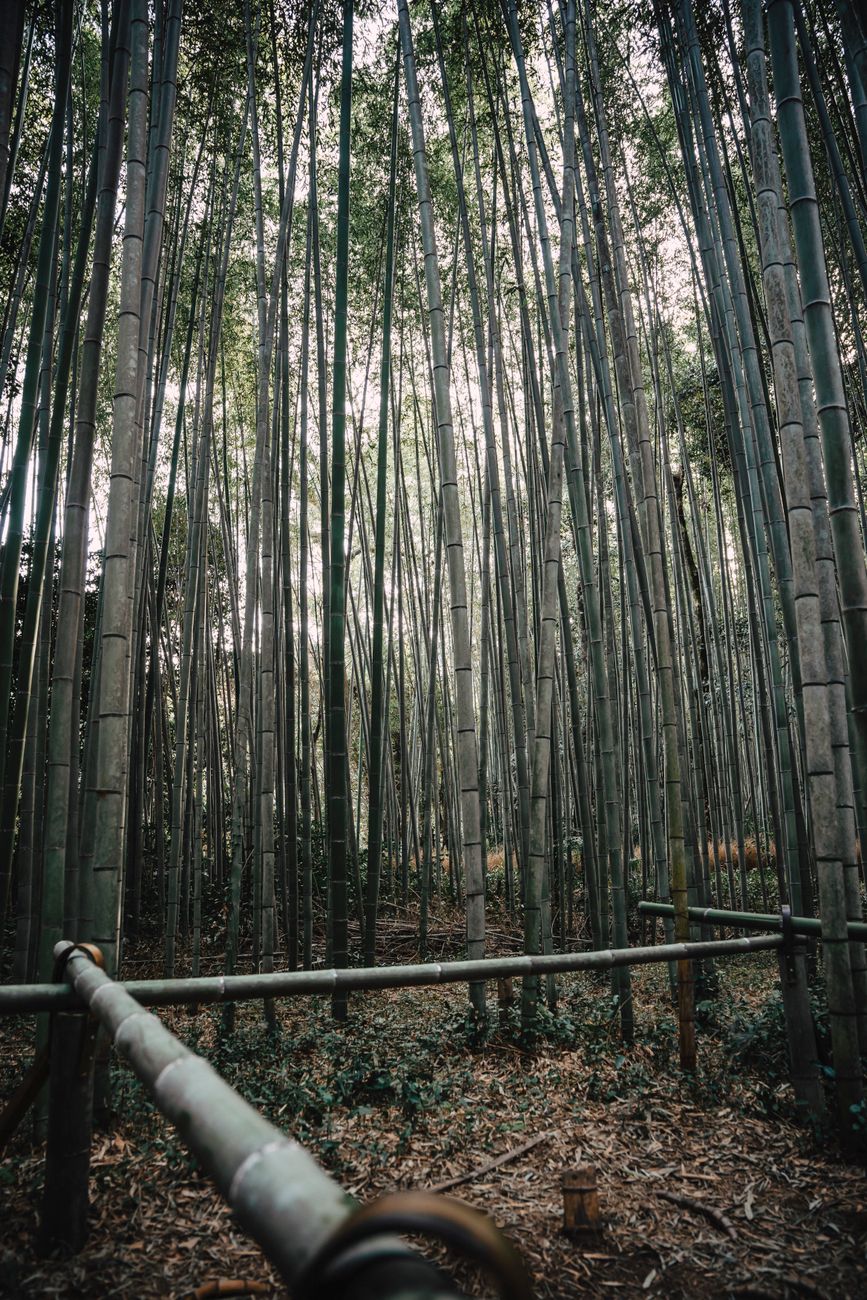
At 5:30 in the morning, the city of Kyoto is not a tourist hub—it is a breathing prayer. The stone flags of the Philosopher’s Path remain wet from overnight precipitation, glistening beneath the dark silhouettes of weeping maples. To visit Japan with intention is to abandon the race to check boxes and instead practice radical presence.
1. The Geometry of Temple Grounds
In temples like Daitoku-ji and Gio-ji, gardens are not designed for ostentatious display. They are structured instruments for meditation. The carefully raked gravel creates ripples resembling water, while islands of moss anchor the mind. When we step softly along the cedar verandas in stocking feet, every creak reminds us of our tangible connection to wood, climate, and craft.
"Nothing lasts, nothing is finished, and nothing is perfect. In accepting this, the traveler sheds fatigue and finds peace."
2. The Solitary Teahouse
Past the northern residential alleys, one finds teahouses operating without street signboards. Hot water whispers gently inside iron kettles (*chagama*). The tea master moves with choreographed economy, whisking jade-green matcha until a velvety foam crowns the earthenware bowl. In this small space, host and guest are equals, bound by the fleeting beauty of a single afternoon that will never occur again.
Practical Reflections for the Quiet Traveler
- Wake with dawn: Walk the eastern hillside temples between 6:00 and 8:00 AM before tour coaches arrive.
- Leave the camera behind: Commit at least one morning to taking notes in a leather journal rather than shooting digital frames.
- Honor the silence: Inside temple interiors, speak in murmurs and silence electronic devices.
Continue Your Journey
Explore our upcoming field dispatches from the Tuscan hills or the alpine lodges of Switzerland.