Tasting Stillness: Slow Dining Across Val d'Orcia
Words by Culinary Essayist Matteo Bianchi
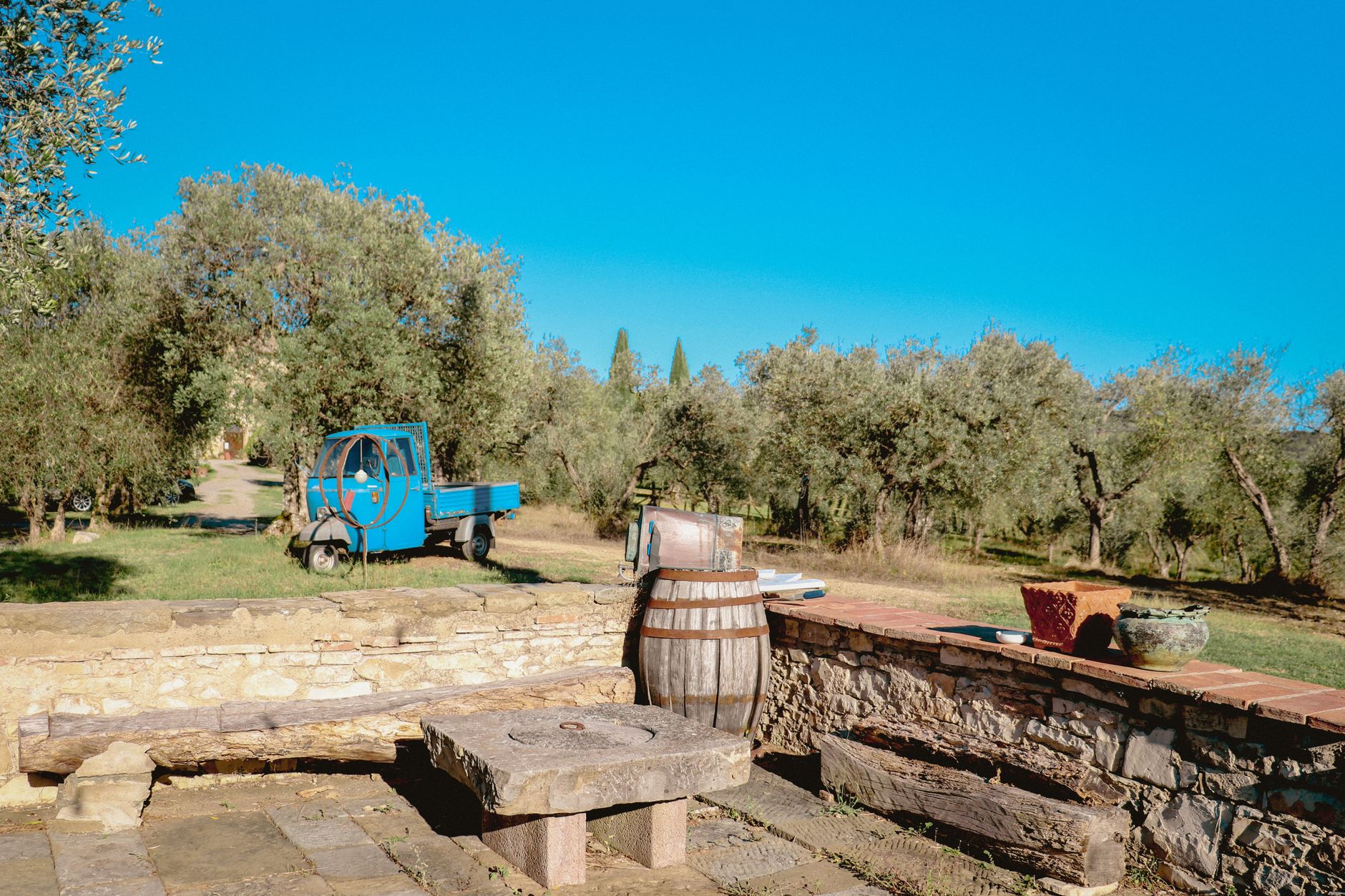
There is a distinct cadence to late afternoon in southern Tuscany. The limestone dust along the cypress-lined drive settles, while golden light washes over clay hills. At a wooden table beneath a fig tree, food is not hurried out to meet a schedule; it emerges when the fire and patience dictate.
1. The Soil of Heritage Grains
In Pienza and Monticchiello, small agricultural cooperatives have reclaimed heirloom durum wheats that commercial monoculture abandoned decades ago. When ground slowly between stone millstones, the resulting flour yields *pici* pasta with rustic texture that grasps wild herb sauces without need for dairy emulsifiers.
"A meal in Tuscany is not an event on a checklist; it is an afternoon given over to conversation, bread, and honest vintage."
2. The Olive Harvest
Come late October, the first cold pressings of Frantoio and Moraiolo olives produce oil of sharp, peppery emerald vibrancy. Drizzled over toasted unsalted bread alongside roasted white cannellini beans, it teaches the diner that simplicity is the pinnacle of sophistication.
Our Curated Recommendations
- Agriturismi with working mills: Seek accommodation where olive cultivation and pecorino aging take place directly on site.
- Avoid city centers at midday: Plan long lunches in hilltop hamlets with populations under two hundred.
- Respect seasonal limits: Do not ask for tomatoes in winter or truffles out of harvest.
Ready for Your Next Escape?
Learn how minimalist packing can make journeys across regions completely effortless.